

Logo

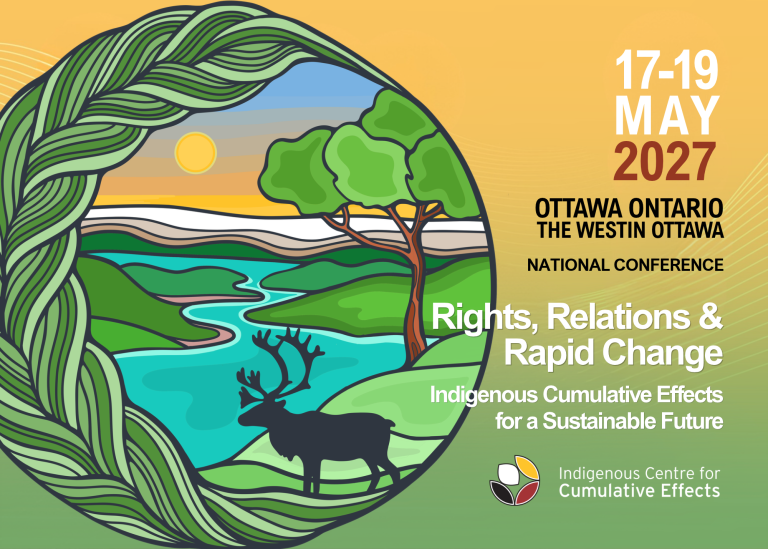
ICCE National Conference 2027

Rights, Relations and Rapid Change: Indigenous CE for a Sustainable Future

SAVE THE DATE

May 17-19, 2027
Ottawa, Ontario
The Westin Ottawa

Registration details coming soon

Call for proposals are NOW OPEN ( full link – https://icce-caec.dev//rights-relations-and-rapid-change-indigenous-cumulative-effects-for-a-sustainable-future/ )

Read More
photo of woodland with misty lake and mountains in background

Cumulative Eects Directory of Practitioners – Survey Call Out

ICCE is updating our national Cumulative Eects Directory of Practitioners, to help connect cumulative eects practitioners and experts with Indigenous communities and potential partners. Our goal is to advance and promote the exchange of cumulative eects knowledge and methods across our network.

If you are a cumulative eects practitioner within Canada and would like to add yourself or your organization to our Directory, please complete the survey below. The survey will take approximately
5 minutes to complete. You will be asked to provide the following information:

  • Contact information
  • Employer or organizational aliation
  • Indigenous self-identification (voluntary)
  • Your work areas
  • Your focused areas of expertise

Survey link here:

We hope you will join our network of practitioners and experts. Joining our network can help you elevate your professional visibility and drive meaningful collaboration by ensuring Indigenous communities and partners can easily access your specific cumulative eects expertise.

Thank you!

If you have any questions or concerns with regards to this survey, please contact:
Leah Harrison at leah.harrison@icce-caec.ca.
Read More
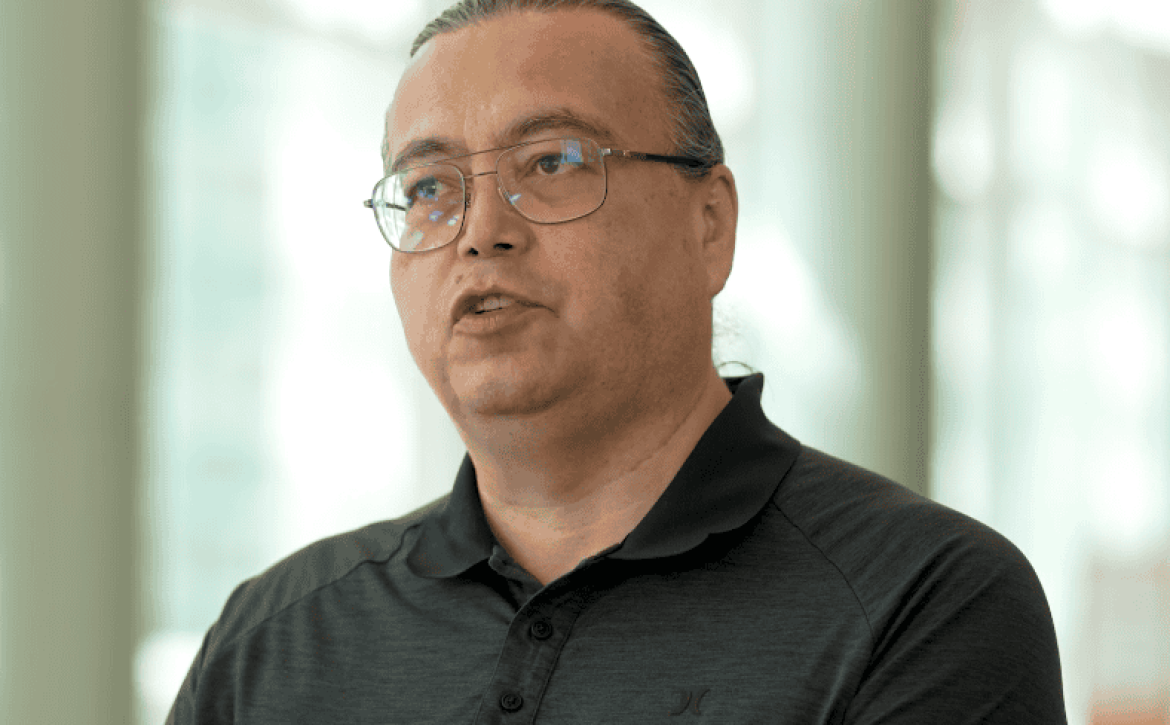
Dave Nordquist

In Memory: Dave Nordquist

In Memory of Dave Nordquist (1968-2025) A Leader in Indigenous-Led Cumulative Effects Assessment

The Indigenous Centre for Cumulative Effects (ICCE) mourns the sudden passing of Dave Nordquist on November 10, 2025. Dave was a visionary leader, dedicated steward, and tireless advocate for Indigenous-led cumulative effects management who leaves an extraordinary legacy across Canada and beyond.

Dave devoted nearly three decades to Adams Lake Indian Band (ALIB), beginning as their first ALIB member Natural Resource Manager in 1997 and most recently serving as Senior Stewardship Officer. A registered professional forester, he created and led programs spanning forestry, fisheries, wildlife, and cultural heritage—always with an unwavering commitment to protecting Secwepemc lands and waters for future generations.

Dave’s leadership work in holistic cumulative effects assessment transformed how many Indigenous communities engage with environmental stewardship. Working with ICCE Technical Advisory Committee member Barry J. Wilson, Dave developed the groundbreaking ALIB Cumulative Effects (CFx) Framework—an 11-year journey of integrating Western science with Traditional Knowledge. This framework provides a dashboard for measuring environmental, social, and cultural impacts across ALIB’s traditional territory, establishing a model for Indigenous-led assessment that respects both Indigenous wisdom and scientific rigor.

From ICCE’s inception, Dave was a steadfast supporter and active participant. He attended the very first ICCE Forum in Calgary in 2019 and remained deeply engaged with ICCE’s mission to advance cumulative effects practice across Canada. He presented at the 2025 Vancouver ICCE conference and the audience was captivated by his stories of ALIB’s cumulative effects journey. A video from this year’s conference, featuring Dave sharing ALIB’s decade-long cumulative effects work, will remain available on the ICCE website as testament to his vision and leadership.

Dave’s influence extended far beyond ALIB and ICCE. He shared his knowledge generously at international forums including the International Association for Impact Assessment conferences in Vancouver (2022) and Bologna, Italy (2025), and at numerous workshops across British Columbia. His leadership philosophy centered on “being” rather than “telling” with great generosity. As an example, he insisted that simulation models ALIB built cover all of Secwepemc’ulecw so every community would benefit from these tools.

Beyond his professional achievements, Dave served as Past President of the National Aboriginal Forestry Association, member of UBC’s First Nation Council of Advisors for the Faculty of Forestry, Board of Directors BC Tomorrow Society and he was a longtime assistant coach with Chase Minor Hockey Association. 

Dave led by example with humility, generosity, and an unrelenting dedication to the land and people of Secwepemc’ulecw. His legacy will continue inspiring Indigenous-led stewardship and cumulative effects practice for generations to come.

Read More
Blueberry bush

Webinar: Cumulative Effects and Indigenous Data Governance

In this webinar we learn from Harmony Johnson as we explore how Indigenous data sovereignty and the principles of OCAP (Ownership, Control, Access, and Possession) are being implemented in practical, meaningful ways across British Columbia.

In this session we examined:

  • The intersection of Indigenous data governance and cumulative effects monitoring
  • Real-world applications through projects, tools, and software
  • How BC First Nations are advancing data for governance through sovereign data practices
  • Practical frameworks for respectful collaboration and data stewardship
Guest Speakers
  • Elder Florence Catholique
  • Harmony JohnsonGuest Speaker
Resources

We invite you to share this webinar with others.
Read More
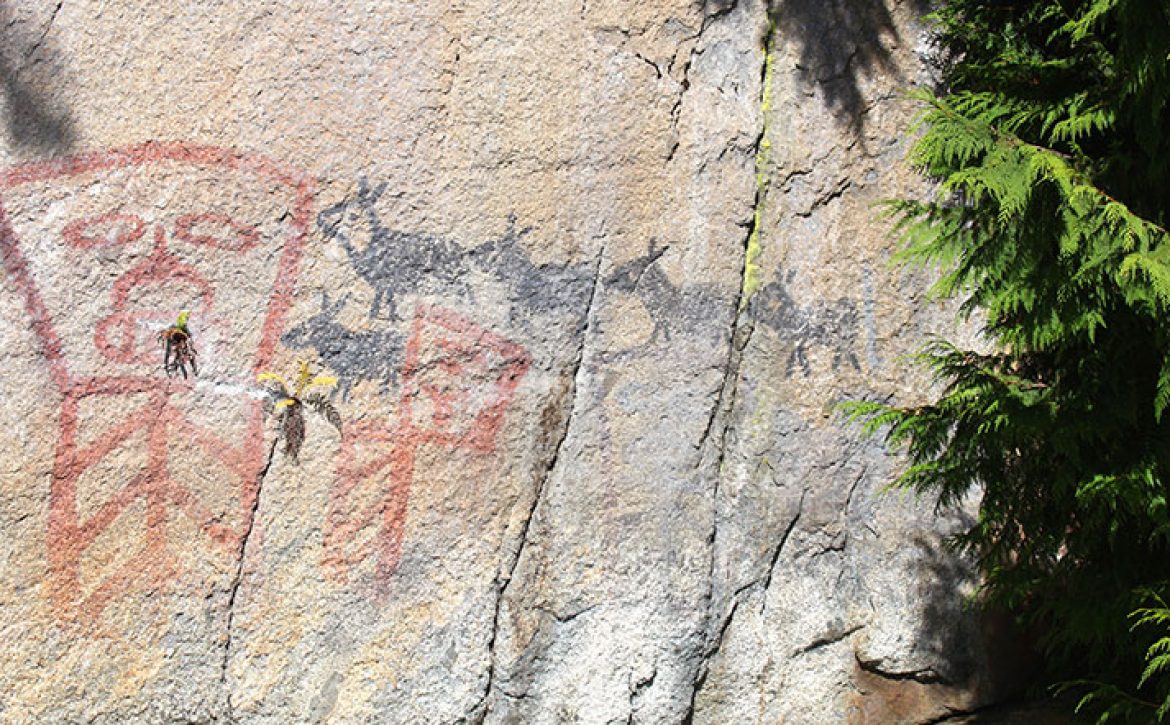
photo of indigenous rock painting

Webinar: Cumulative Effects and Indigenous Rights: A Culture based Storytelling Perspective

The Indigenous Centre for Cumulative Effects is pleased to host a cumulative effects and rights webinar with keynote speaker, Carl Braun.

Carl Braun of the Pimicikimak Cree Nation has been progressing rights based dialogue and decision making, in support of Indigenous lands, values, knowledge, and tradition for over 35 years for many First Nations across Canada.

As a rights-holder who practices fishing, hunting, and trapping with extensive experience in resource regulation, management and engagement, Braun extends analysis of Crown jurisprudence through a lens on rights that centres culture. 

The webinar will take a storytelling approach to provide an innovative perspective on issues of rights and cumulative effects and discuss how Free Prior Informed Consent may be actualized under guise of the Duty to Consult and Accommodate.

Guest Speakers
  • Elder Lorraine Whitman, Glooscap First Nation
  • Carl Braun, Pimicikimak Cree Nation

We invite you to share this webinar with others.
Read More
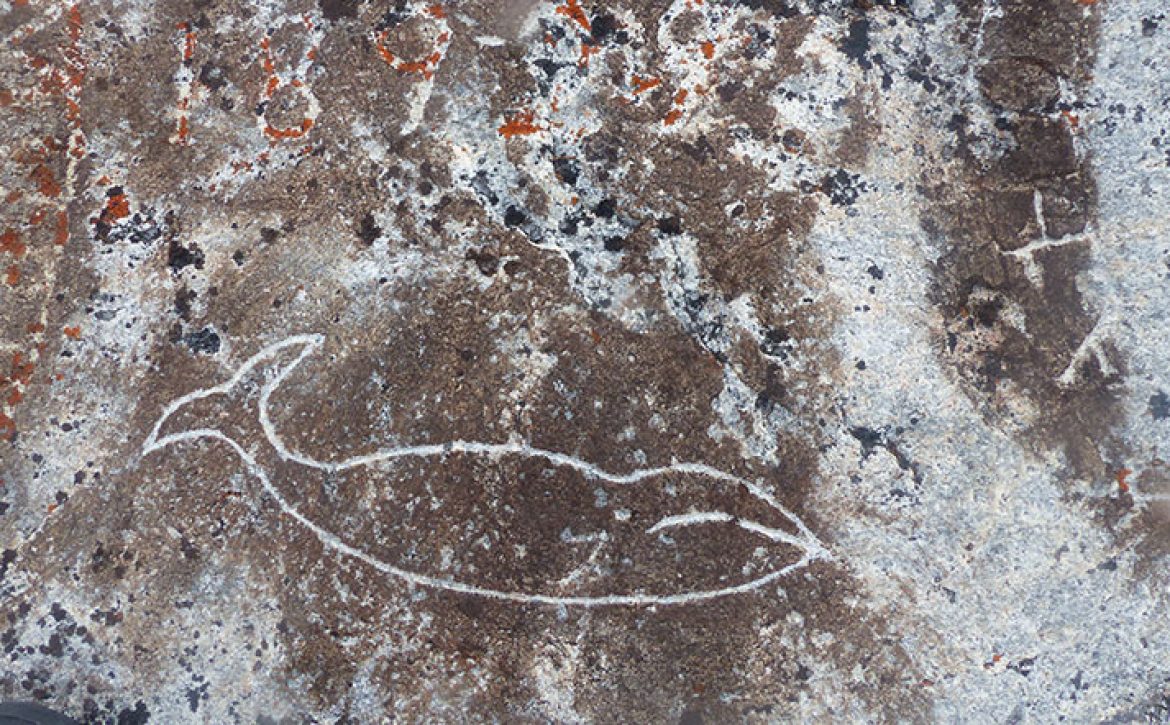
photo of indigenous rock painting

Webinar: Indigenous Rights & National Projects: Grassroots Dialogue on Bill C5

Indigenous Rights and Projects of National Interest A Dialogue on Community Impact and Fast-tracking Major Projects – A collaboration with RAVEN

Join us for a conversation examining the intersection of Indigenous rights, environmental considerations, and national development priorities.

This community webcast, developed in collaboration with Respecting Aboriginal Values and Environmental Needs (RAVEN), brings together diverse voices of community leaders to explore: How do fast-tracked approval processes for major infrastructure projects impact Indigenous communities and territories?

Guest Speakers:

  • Elder Lorraine Whitman
  • Judy DaSilva, Grassy Narrows
  • Iruwa Da Silv, Grassy Narrows
  • Saya Masso, Tla-o-qui-aht Nation
  • Levin Chamberlain, RAVEN

We’ve compiled links and resources from our guest speakers and their organizations—please take a moment to look them over.

We invite you to share this webinar with others.

Read More
Truth and Reconciliation: Reflections from the ICCE Team

Truth and Reconciliation: Reflections from the ICCE Team

As we observe the National Day for Truth and Reconciliation, our team has taken time to reflect on what this important day means to each of us personally and professionally. Truth and Reconciliation is not just a date on the calendar—it’s an ongoing commitment to learning, listening, and taking meaningful action toward reconciliation with Indigenous peoples.

We invite you to watch the video below, where members of the ICCE team share their personal reflections on Truth and Reconciliation. In these candid conversations, our staff members discuss what they’ve learned, how their perspectives have evolved, and the steps they’re taking to honor the resilience of Indigenous communities and support the path toward healing and justice.

We hope these reflections inspire deeper conversation and continued commitment to reconciliation in your own communities.

Read More
photo of teepee frame in the night sky

Annual Report 2024: Celebrating Achievements and Looking Ahead

photo of teepee frame in the night sky

The ICCE Annual Report 2024 highlights significant milestones and initiatives that demonstrate our commitment to empowering Indigenous communities.

Leadership Messages

Leadership reflections from Outgoing Executive Director Leea Litzgus, Board Chair Angie Gillis, and Technical Advisory Committee Chair Alexandra Bridges showcase the collaborative spirit driving ICCE’s success.

Strategic Achievements

ICCE made substantial progress across four strategic pillars:

  1. Capacity Building and Training
  2. Networking, Provision of Expert Advice and Information Sharing
  3. Strengthening ICCE Governance
  4. Corporate Management and Leadership
Key Highlights
  • The Community Funding Program supported impactful community-led initiatives addressing cumulative effects. Moving forward, ICCE is transitioning from competitive applications to a community-responsive approach based on direct feedback.
  • 2025 ICCE National Conference planning demonstrated growing national interest in Indigenous-led approaches to cumulative effects.
  • Knowledge Sharing expanded through speaking engagements and collaborative projects, fostering continuous learning and best practice exchange.
  • Governance Strengthening included team expansion with key leadership positions, embedding Indigenous values in internal operations, and enhancing Board diversity across Turtle Island.
  • Organizational Growth welcomed new team members and Technical Advisory Committee members, along with new Executive Director Danielle Wilson.
Looking Forward

ICCE is launching the CIRCLE Program in 2025, supporting Indigenous-led projects that build capacity for cumulative effects assessment, monitoring and management through a Two-Eyed Seeing Approach rooted in Indigenous Knowledge.

Read More
close-crop photo of woven basket bottom

Join the ICCE Technical Advisory Committee

close-crop photo of woven basket bottom

ICCE is currently recruiting applicants to serve on its independent Technical Advisory Committee (TAC) which provides ongoing advice to the Centre regarding the various aspects of cumulative effects. Priority will be given to candidates from Northern Indigenous communities, Inuit, Mi’kmaq and East Coast communities to ensure a representative TAC membership.

The Centre’s objective is to help build and enhance the technical and scientific capacity of Indigenous communities for cumulative effects assessment, monitoring and management, based on the values of First Nations, MÃĐtis and Inuit communities to better protect their community’s lands and culture. This will be achieved, in part, by maintaining a network of practitioners and partners to facilitate the sharing of information and knowledge among communities, developing tools and resources to share and maintain best practices and raising awareness about cumulative effects from Indigenous perspectives.

Mandate

The TAC provides ongoing advice to the ICCE Executive Director and the Board of Directors. The TAC may create temporary task forces or working groups to address specific issues, as approved by the ICCE Executive Director and the Board of Directors.

Qualifications

TAC members must have some technical or scientific expertise relevant to cumulative effects, including Indigenous traditional knowledge. The assessment and management of cumulative effects is a very broad topic. It is expected that the TAC will include people with expertise in various fields, such as environmental assessment, human health, wildlife, water, air quality, ecosystems management and contaminants. Knowledge of specific industry sectors may also be relevant, for example mining, energy production, forestry operations and linear infrastructure.

Time Commitment

TAC members will be asked to participate in quarterly meetings (four times a year), most of them being conference calls or virtual meetings. Occasional face-to-face meetings may also be expected. The nature of this work being scientific and technical, TAC members will be expected to allocate time to reading and analyzing documents and data between meetings. Participants in task forces or working groups may be asked to dedicate a higher level of effort for a temporary period.

Compensation

TAC members will accept to fulfil their responsibilities on a voluntary basis but all expenditures related to the conduct of their role will be covered by ICCE. In addition, recognizing the potential workload associated with certain issues, participants in task forces or working groups may be eligible for some financial compensation, to be determined by the ICCE and its Board of Directors on a case-by-case basis.

To Apply

Please take the time to reflect on how you or someone else in your community can contribute to the success of ICCE. Applications should include a CV and/or cover letter including a description of relevant experience and expertise, as well as the reasons you are interested in being part of the ICCE TAC.

Submit your application via email to Dawn Hoogeveen on or before September 15, 2025.

Read More