Every ecosystem is special, beautiful and fragile in their own way. From the eastern and western coastal climates, to the lush abundance of great plains, to the remarkably rugged shorelines of the Great Lakes region – there is so much to celebrate and appreciate. We are also reminded that there is so much to protect.
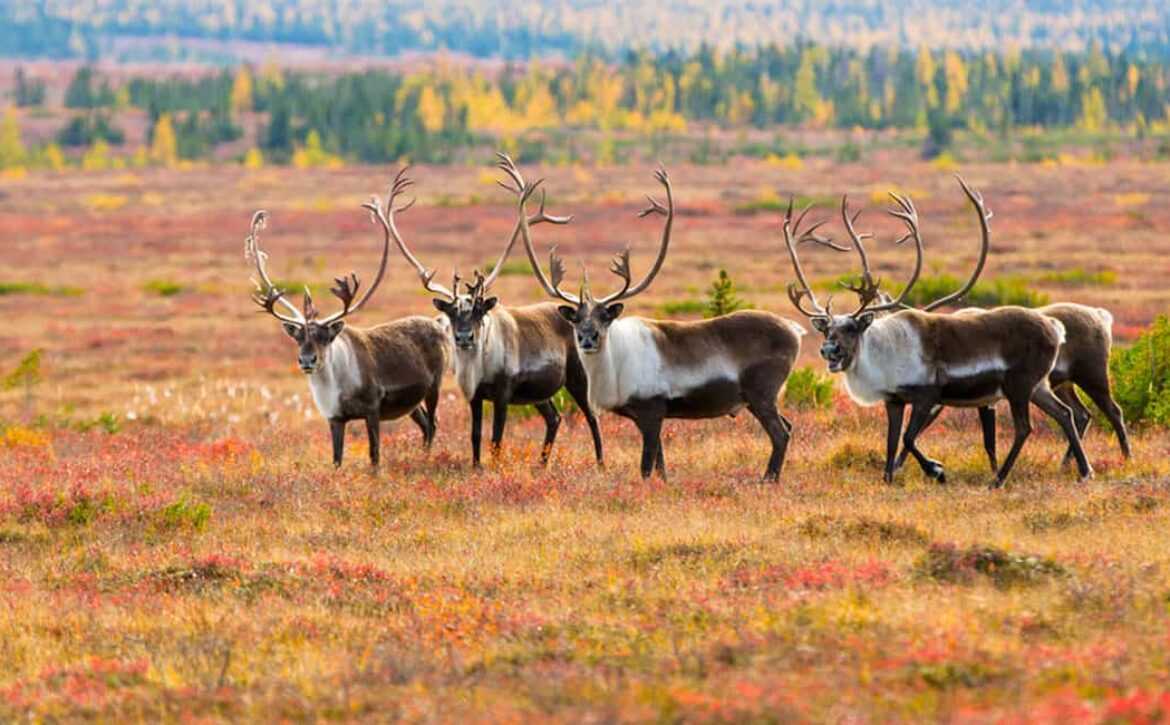
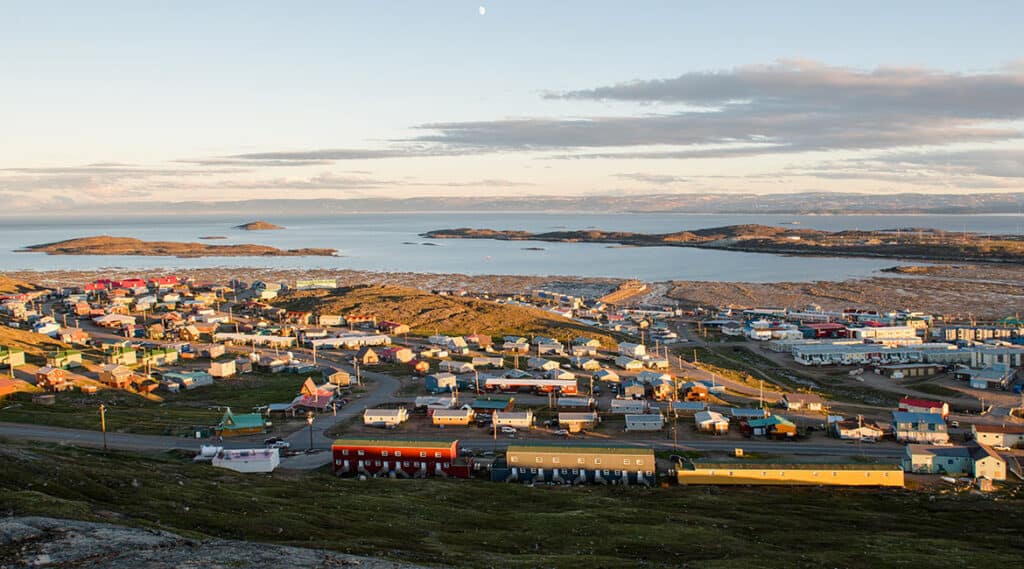
Those who live in more temperate climates in the south have experienced significant growth and industrial development that has had generational impacts on the environment, the people, and the activities of local First Nations and Métis. In the north, the ecosystem is now vulnerable from the effects of climate change and human impacts, while the landscape has remained relatively untouched and has flourished for millennia. Inuit, in particular, have a vested interest in understanding and playing a role in addressing cumulative effects.
Cumulative effects are the changes caused by multiple interactions among human activities and natural processes over time. Cumulative effects have an impact on the ecosystem, the flora and fauna, as well as health, culture and traditional land use of Indigenous peoples.
For Inuit, cumulative effects may have a lasting impact for generations. As growth, resource development and industrial land use come to the north, it is important to consider how Inuit can better assess, manage and monitor cumulative effects on the local and regional ecosystem.
The following is a list of how cumulative effects could impact the north:
1. Land Uses That Have a Permanent Impact
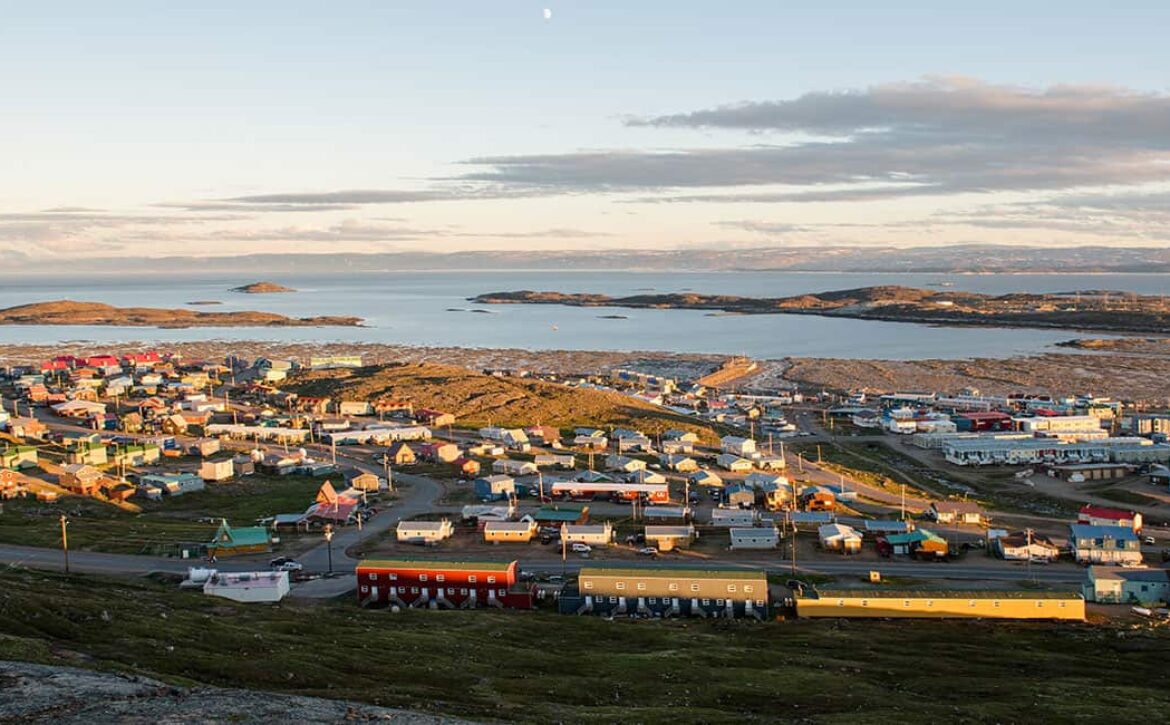
While there are substantial economic benefits from growth, new jobs and resource development, there are also cumulative effects. Increasing populations means further expansion of residential areas and community infrastructure. More people means more waste. More people also means the need for more transportation both over the land, in water and through the air.
Mining and exploration, for example, are far too often seen as temporary. In reality, long after exploration activities cease and mines are closed, they continue to have a lasting impact on the environment. Buildings and infrastructure and pollutants have great impacts on the landscape, the permafrost, and the wildlife.